
The discipline behind the firm.
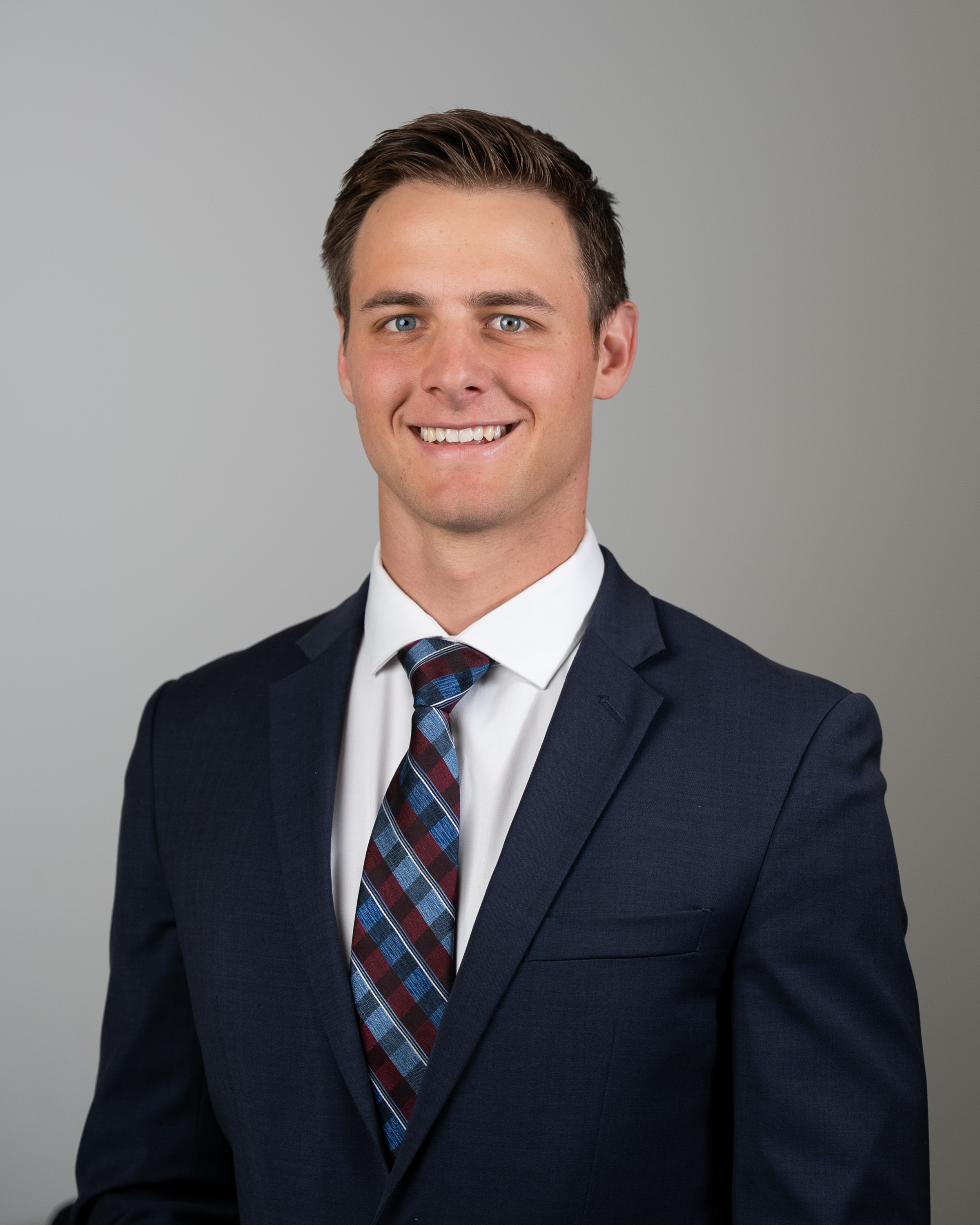
I got into commercial real estate in 2019, not as a salesperson but behind the numbers. My job was underwriting: modeling deals, stress-testing assumptions, and learning what actually makes a building work, including time at Marcus & Millichap, one of the largest commercial brokerages in the country.
When I set out to get licensed in 2020, COVID shut the testing centers. I finally tested and earned my license in early 2021, then spent the next year and a half as a full-time commercial broker, right through the post-COVID run-up, when values were peaking and owners were exhausted.
That's when the same question kept coming up. Client after client, many of them local families who'd held large multifamily or industrial buildings for decades, would ask: "Andrew, if I sold this, where would I even put the money?" They were worn out by the tenants, the toilets, and the trash. Their equity had appreciated enormously, and selling outright meant handing roughly a third of it to taxes.
So I learned every option cold. Installment sales, charitable remainder trusts, DSTs, 721 UPREITs, net-lease properties. I walked each client through the trade-offs and the risks until they genuinely understood them. About seven in ten chose a DST for the passive income and the tax deferral. Back then, I referred that work out to specialists.
Then one of my clients ended up in a poorly structured DST through another group. The real estate looked fine on paper, but the sponsor didn't. That taught me the lesson this entire firm is built on: in this business, who you invest with matters as much as what you invest in. Vetting the sponsor isn't a formality. It's the job.
In 2022 I stopped referring this work out and committed to doing it properly myself, focused exclusively on tax-deferred strategies. Since then I've worked alongside two of the country's most active DST teams, helping place hundreds of millions of dollars of client capital, and I've built lasting relationships with the advisors, agents, and families who now trust me to guide these decisions. I founded 1031 Capital Advisors to bring that same discipline, independent, fiduciary, and sponsor-agnostic, to every owner standing where my clients once stood.
- Economics, University of California, Berkeley
- FINRA Series 7 and Series 66
- California real estate license, DRE 02121956
- San Diego CCIM chapter: board member and Networking Committee chair
- Member: National, California, and San Diego Associations of Realtors
Experience that shows up when the clock is running.
Principles, not pitches.
Fiduciary duty
We are legally and ethically bound to act in your best interest. No quotas, no house product, no exceptions.
Independence
We don't have a house product to push. We evaluate offerings across 40+ vetted sponsors and multiple asset classes, and recommend only what genuinely fits you.
Education over sales
You'll understand every option before you commit. We move at your pace, not a deadline's, within the rules.
Rigorous due diligence
No offering reaches you on one person's opinion. When a property carries debt, a lender underwrites it first. Before our broker-dealer's due diligence team will review a sponsor, they require an independent third-party report from a firm like FactRight or Mick Law. Only after those layers clear do I screen the deal for your situation. Multiple independent layers, every time.
Deadline discipline
The 45- and 180-day rules drive our process. We build the timeline backward so nothing is left to chance.
Generational view
We plan for the portfolio you'll pass on, coordinating with your CPA, attorney, and family.
"My job is to walk you through every option, implement the right strategy, and stay with you long after the closing. In this business, who you invest with matters as much as what you invest in. That is the standard I hold every recommendation to."
A 20-minute call could change the math on your sale.
No obligation, no jargon. Just a clear-eyed look at your options.